How Carpet Cleaning in Fort Collins, CO Can Revive Older Carpets

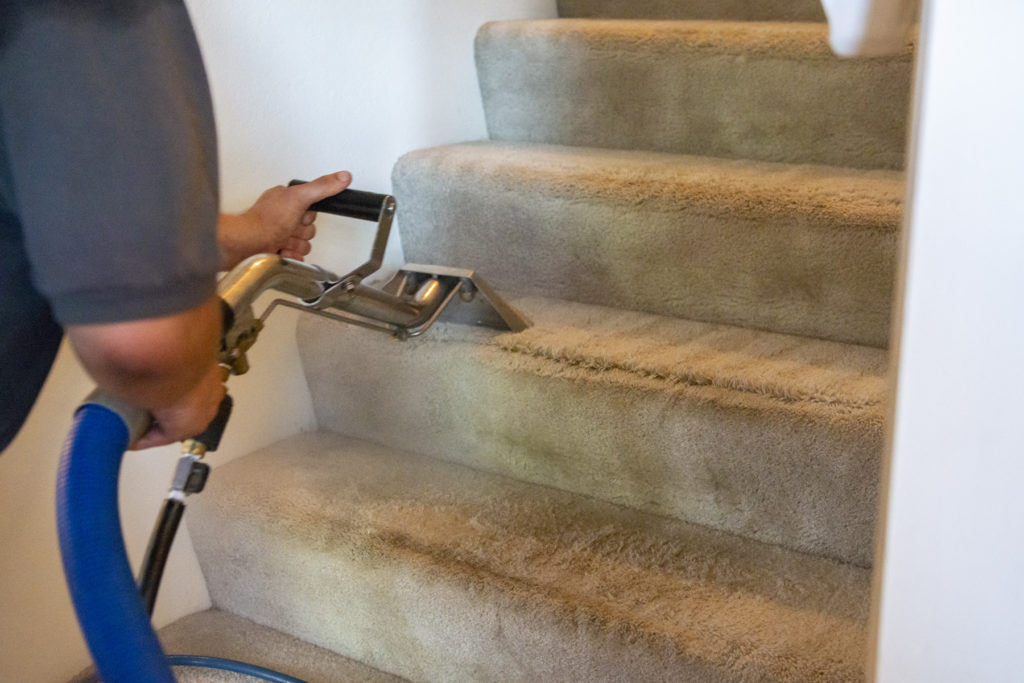

Older carpet has a way of telling the story of a home. You can see it in the softened traffic paths between the kitchen and living room, in the faint shadow of a favorite chair, and in the spots where kids, pets, and daily life left their mark. In Fort Collins, where homes range from established neighborhoods with decades of history to newer builds that already show a few hard years of wear, carpet often stays in place longer than homeowners expected. Replacing it is expensive, disruptive, and sometimes unnecessary.
That is the good news. Age alone does not mean a carpet is finished. A lot of what people interpret as permanent decline is actually a mix of embedded soil, matted fibers, residue from old cleaning products, and stains that were never treated correctly in the first place. Professional Carpet Cleaning Fort Collins, CO services can make a surprising difference, especially when the carpet still has structural life left in it.
The key is knowing what cleaning can restore, what it cannot, and how the local environment affects the results.
Why older carpets look worse than they really are
Most aging carpet does not fail all at once. It declines in layers. First, loose dust and debris settle into the pile. Then oily residue from shoes, cooking air, and skin contact starts to bind that soil to the fibers. Over time, foot traffic presses everything deeper. The carpet begins to look dull, then gray, then flat. At that stage, many homeowners assume the color has faded beyond repair.
Sometimes it has. More often, the carpet is carrying pounds of compacted dry soil and sticky residue that ordinary vacuuming cannot remove.
This is especially common in homes where do-it-yourself cleaning machines were used repeatedly. Rental units and consumer carpet cleaners can help with surface appearance, but they often leave behind more moisture and detergent than people realize. If the rinse is incomplete, the residue acts like a magnet for new soil. The carpet may look brighter for a week or two, then become dingy again faster than before. That cycle can make an older carpet seem worn out when it is really just loaded with contaminants.
I have seen this in family rooms where the original beige carpet appeared almost brown in the main walkway, only to return to a much lighter tone after a deep professional cleaning with proper extraction. The wear was still there, but it was honest wear, not years of trapped grime exaggerating the problem.
Fort Collins conditions add their own kind of wear
Fort Collins brings a few local factors into the equation. Dry air, seasonal wind, snowmelt, and a lot of outdoor activity all take a toll on flooring. Fine dust gets tracked in more easily than many homeowners notice. During wetter months, moisture from shoes can combine with that dust and create stubborn soiling near entries and hallways. In winter, de-icing salts and grit can grind into carpet fibers. In warmer months, pollen and dry particulates can settle deep into the pile.
Homes with pets often have an added layer of challenge. The dry climate can make pet dander more mobile, and accidents that seem cleaned on the surface may leave odor compounds in the backing or pad. Older carpets are more vulnerable because the fibers are already somewhat opened up from use, which gives contaminants more places to settle.
That is why Carpet Cleaning Fort Collins, CO work is rarely just about making carpet look cleaner. It is also about flushing out the material that makes older carpet feel heavy, stale, and chronically dirty.
What professional cleaning can actually restore
A good cleaning does not turn a fifteen-year-old carpet into a new one. It can, however, restore much of what time and buildup have been masking.
Appearance is the most obvious improvement. Soil removal lifts the color and reduces those dark lanes in traffic areas. In many cases, the carpet regains contrast and texture that have not been visible in years. Rooms look larger and brighter because the flooring stops absorbing so much light.
Texture often improves too. When fibers are burdened with oily residue and compacted grit, they collapse and stick together. Deep cleaning, especially when paired with grooming or pile setting, can separate those fibers and help them stand up better. The result is a carpet that feels less crunchy, less sticky, and more resilient underfoot.
Odor is another category where the change can be dramatic. Older carpet tends to hold onto cooking smells, pet odor, and a general stale note that homeowners stop noticing until it is gone. Professional equipment can remove much of the material causing the smell, not just cover it with fragrance.
Indoor comfort changes as well. I am careful not to overstate health claims, but there is no question that removing accumulated dust, dander, and debris makes a home feel cleaner. People often notice it in simple ways, such as less musty smell when the house is closed up, or less grit coming up after vacuuming.
The difference between soiling, staining, and wear
One of the most useful conversations a carpet cleaner can have with a homeowner is about what type of problem they are looking at. The distinction matters because each issue responds differently.
Soiling is removable material sitting in or on the carpet. That includes dirt, oils, and residues. This is the category where cleaning has the biggest impact.
Staining happens when a substance changes the fiber chemically or leaves pigment behind. Coffee, wine, pet accidents, and plant-based spills can all fall into this category. Some stains respond well to treatment. Others become permanent, especially if they were heat-set by the wrong cleaning method or left in place too long.
Wear is physical damage. Fibers can become frayed, untwisted, crushed, or abraded over time. Once the yarn itself is degraded, no cleaning method can rebuild it. The carpet may become cleaner and slightly fuller after service, but permanent texture loss will remain.
This explains why two adjacent spots on the same carpet can respond very differently. A dark hallway can brighten tremendously because much of its problem is soil. A small patch in front of a recliner may still look shadowed because the fibers have been permanently crushed from years of pressure.
When cleaning makes an older carpet worth keeping
There is a window in a carpet’s life where professional cleaning offers the best return. If the backing is intact, the seams are stable, and the pile still has some body, cleaning can buy meaningful time. Sometimes that means another couple of years before replacement. In rooms with lighter use, it can mean considerably longer.
Homeowners usually see the value most clearly in a few situations.
- The carpet looks dirty overall, but there are no major tears, ripples, or bald spots.
- Traffic lanes are dark, yet the fibers are still attached and not shedding heavily.
- The home has lingering odor from pets, cooking, or closed-up rooms.
- Past spot cleaning left uneven patches or sticky residue.
- Replacement is possible, but the homeowner would rather postpone the cost if the carpet can still present well.
That last point matters more than many people admit. Carpet replacement can involve moving furniture, matching transitions between rooms, choosing materials, scheduling installers, and living with the disruption. If a thorough cleaning can make the existing carpet look respectable and feel fresher, that is often the practical choice.
Methods matter, especially on older fibers
Not all carpet cleaning methods produce the same results, and older carpet is less forgiving of poor technique. The biggest variable is not the label on the service, but how thoughtfully the method is applied.
Hot water extraction remains one of the most effective options for deep cleaning when performed correctly. It uses cleaning solution, agitation or dwell time, and strong extraction to flush soil from the carpet. For older carpet, the advantage is depth. Embedded contaminants can be removed rather than simply redistributed. The caution is moisture control. An inexperienced operator can over-wet the carpet, which risks slow drying, wicking, or problems in the backing.
Low-moisture methods can work well in maintenance situations or for carpets that need quick drying times. They are often useful for commercial settings or lighter soil loads. On heavily burdened residential carpet, though, they may not deliver the same restorative effect as a well-executed extraction cleaning.
Bonnet cleaning and quick surface methods can improve appearance temporarily, but they tend to be less suitable when an older carpet needs a real reset. Surface improvement is not the same as thorough removal of years of packed soil.
Experienced technicians adjust their approach based on fiber type, age, installation condition, and the nature of the soiling. An older olefin carpet in a basement rec room may need a different treatment than a nylon carpet in a main living area. The best results come from that kind of judgment, not from using the same formula in every room.
The hidden problem of residue
One reason older carpets often surprise homeowners after professional service is that the issue was not just dirt. It was dirt plus residue.
Soap from spot removers, over-the-counter shampoos, and repeated light cleanings can build up gradually. That residue holds onto soil and changes the way carpet reflects light, which is why some rooms always look dull even after they have been vacuumed. It can also create a rough or tacky feel.
Proper rinsing is what separates temporary brightening from true restoration. When residues are thoroughly extracted, the carpet not only looks cleaner but stays cleaner longer. This is one of the least glamorous parts of carpet care, but it is often where the real value lies.
Pet issues require more than a surface pass
Older carpets in pet-friendly homes deserve special attention because odor and staining can sink below the visible layer. Urine, in particular, can move through the face fibers into the backing and even the pad. If the contamination is extensive, a standard cleaning alone may reduce odor without eliminating it.
That does not mean the carpet is automatically unsalvageable. It means the response needs to match the severity of the problem. Targeted treatment, subsurface extraction, and odor-focused products may help significantly. In mild to moderate cases, the difference can be enough to keep the carpet in service. In severe cases, especially where repeated accidents hit the same area, cleaning may improve the room but not fully solve the issue.
This is where honest assessment matters. A reputable professional should be willing to say, “This will improve it, but it may not make it perfect.” That kind of straight answer is far more useful than a promise that every odor can be erased from an aging carpet.
What homeowners often mistake for permanent damage
There are a few common conditions that look terminal but are not.
Traffic lane graying is a good example. In many homes, the main hall or family room path looks permanently discolored. After cleaning, that lane may still show some wear, but the dark cast often lifts dramatically because much of it was impacted soil.
Filtration lines are another one. These are the black or gray lines that appear along baseboards, under doors, or near HVAC vents. They form when air carries fine particles through narrow gaps, leaving soil deposits behind. They can be stubborn, especially if they have been there for years, but they are not always as permanent as they first appear.
Matted pile can also improve more than expected. If fibers are crushed but not destroyed, grooming and deep cleaning may restore at least part of the original texture. Not every flattened area bounces back, but enough often does to change the feel of the whole room.
On the other hand, bleach spots, color loss from harsh chemicals, and severe fiber abrasion rarely respond in the way homeowners hope. Cleaning may make the surrounding carpet look much better, which can ironically make those damaged areas stand out more. That is not a failure of the cleaning. It is simply the difference between removable contamination and actual material loss.
Signs that cleaning may not be enough
Professional cleaning is powerful, but it has limits. Some carpets have passed the point where restoration is the most sensible investment. Homeowners should think carefully if the carpet has widespread delamination, strong recurring odor after prior treatments, major seam failure, or large areas where the pile is missing altogether.
The following signs usually point toward replacement being the smarter long-term choice:
- The carpet backing is failing, wrinkling, or separating.
- Large stains have permanently altered the color in multiple rooms.
- Odor returns quickly because contamination has reached the pad or subfloor.
- Traffic areas are threadbare, not just matted.
- The carpet is nearing the end of its expected service life and problems are piling up at once.
Even then, cleaning can still serve a purpose. It may improve appearance enough to help during a home sale, a lease transition, or the period before a planned remodel. Not every cleaning job has to be about squeezing years of life out of the carpet. Sometimes it is about making a lived-in home feel presentable and comfortable again.
The timing question in Fort Collins homes
Seasonality can influence results and convenience. In Fort Collins, spring and fall are often ideal for carpet cleaning because windows can be opened if needed, temperatures support steady drying, and homes are transitioning between heavier seasonal use patterns. Winter cleaning is still completely workable, but entry protection matters more due to snow, moisture, and grit. Summer can be excellent too, especially for families who want the carpet fresh before holiday traffic or after kids and pets have spent months going in and out.
What matters most is not chasing the perfect month. It is avoiding the habit of waiting until the carpet looks beyond help. Older carpet responds best when the soil load Carpet Cleaning Fort Collins, CO is heavy enough to need professional attention, but not so extreme that abrasion and staining have compounded for years.
How to help restored carpet stay presentable longer
Once an older carpet has been brought back to life, maintenance becomes the deciding factor in how long that improvement lasts. Vacuuming frequency matters more than most people think, particularly in dry, Carpet Cleaning Fort Collins, CO dusty climates. Entry mats help, especially in homes with active households and pets. Spot treatment should be prompt and minimal, using products that do not leave behind a sticky film.
Furniture placement can make a difference too. Rotating area rugs or shifting heavy pieces slightly every so often can prevent deep, localized crush marks. In high-traffic zones, scheduled professional cleaning before the carpet looks obviously dirty tends to preserve appearance better than waiting for visible decline.
For homeowners deciding whether to call for service, one practical test is this: if the carpet still feels structurally sound under your hand, if the tufts are holding, and if the biggest complaint is dinginess, odor, or matted texture, cleaning is usually worth exploring.
Why realistic expectations lead to the best outcome
The most successful carpet revival projects begin with clear expectations. Older carpet can often become cleaner, brighter, fresher, and more comfortable. It may not become flawless. A good result is not always a carpet that looks newly installed. Sometimes it is a carpet that no longer drags the whole room down.
That distinction matters because it reframes the value of the service. Professional Carpet Cleaning Fort Collins, CO homeowners choose for older carpet is often less about perfection and more about recovery. It is about removing years of buildup, improving the feel of the home, and extending the useful life of a major surface that would be expensive to replace.
When the work is done well, the change is easy to notice. Colors sharpen. The room smells cleaner. The carpet feels lighter underfoot. And what looked tired starts to look lived-in in a better way, cared for rather than worn out.
For many homes in Fort Collins, that is exactly the kind of revival an older carpet needs.
TLC Carpet & Air Duct Cleaning
921 E Prospect Rd, Suite C
Fort Collins, CO 80525
(970) 352-8176
FAQ About Carpet Cleaning Fort Collins, CO
What is the best time of year to clean carpets in Fort Collins, CO?
Choose a day when you can give the carpet time to dry and keep foot traffic low. Ventilation and indoor humidity can matter more than the season.
How long will my carpet take to dry after cleaning?
Drying time varies with the carpet, cleaning method, humidity, and airflow. Ask the technician for an estimate and when to move furniture back.
How do I prepare my home for carpet cleaning?
Pick up small items, clear a path for equipment, and point out stains or delicate fibers. Ask the cleaner which furniture they can move and what needs to be moved before the visit.